


Did you know an efficient labeling system can increase customer satisfaction by up to 20%? As a business owner, having the right product labeling is key. It helps streamline operations and boost your brand’s image.
I know how important a well-organized labeling process is. It’s vital in industries like manufacturing, logistics, and retail. A good labeling system ensures products are accurately identified and meets all regulations.
Key Takeaways
- Efficient labeling systems can improve customer satisfaction.
- Product labeling plays a critical role in brand identity.
- A well-organized labeling process ensures accurate product identification.
- Compliance with regulations is essential in various industries.
- A good labeling system streamlines operations and boosts productivity.
What Are Labeling Systems and Why They Matter
In today’s fast world, labeling systems are key to making things run smoothly. They’re not just about putting labels on things. They help make businesses more efficient, organized, and follow the rules.
Definition of Labeling Systems
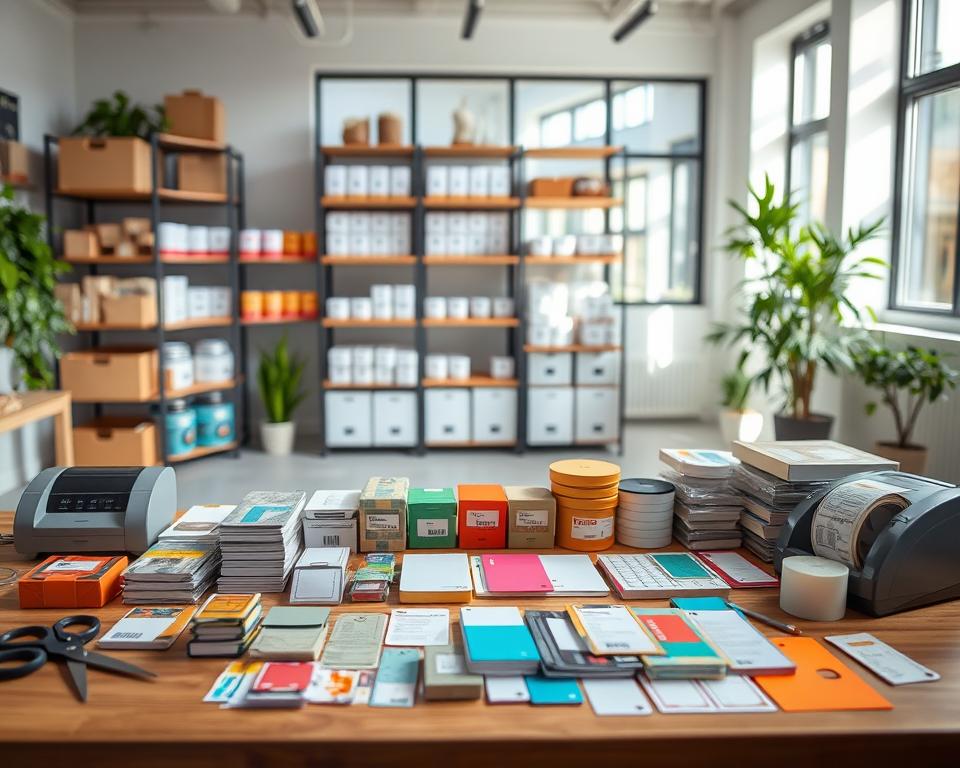
A labeling system has a printer, software, and things you need to print (labels and ribbons). The labeling software is very important. It lets users make labels, add information, and handle printing tasks well. This software is vital for industrial labeling, helping businesses make labels that fit their needs.
Importance in Various Industries
Places like manufacturing and logistics use labeling systems for inventory management and product tracking. In healthcare, labels must be right to keep patients safe and follow rules. Labeling systems are very useful in many fields.
| Labeling Technology | Printing Speed | Durability | Cost |
|---|---|---|---|
| Thermal Transfer | High | High | Medium |
| Direct Thermal | High | Low | Low |
| Inkjet | Medium | Medium | High |
Types of Labeling Systems Available
There are many types of labeling systems, like thermal transfer, direct thermal, and inkjet or laser. Each has its own benefits. The right choice depends on your business needs, like the type of labels, how many you need, and how long they should last.
Thermal Transfer Labeling Systems
Thermal transfer systems make strong labels that can handle tough conditions. They use a special ribbon that gets melted onto the label when it’s heated.
Key Benefits: These labels last a long time, don’t smudge or fade, and are great for long-term use.
Direct Thermal Labeling Systems
Direct thermal systems are good for short-term needs and are easy on the wallet. They apply heat directly to the label, which has a special heat-sensitive layer.
Key Benefits: They’re affordable, easy to use, and perfect for quick needs like shipping labels.
Inkjet and Laser Labeling Systems
Inkjet and laser systems print high-quality labels. They’re flexible, letting you create labels with detailed designs and variable info.
Key Benefits: They offer top-notch print quality, are flexible in design, and are great for custom labels.
| Type of Labeling System | Durability | Cost-Effectiveness | Print Quality |
|---|---|---|---|
| Thermal Transfer | High | Medium | High |
| Direct Thermal | Low | High | Medium |
| Inkjet/Laser | Variable | Medium | High |
Key Features to Look for in Labeling Systems
Choosing the right labeling system is important. It’s not just about printing labels. It’s about making sure your labels are made well, fast, and meet your business needs.
There are key factors to look at when judging a labeling system. First, the printing speed and quality are key. A good system prints high-quality labels fast, keeping your work flowing smoothly.
Printing Speed and Quality
Think about how many labels you need to print each hour or day. Faster printing means more work done. Also, the print quality matters, like for labels with barcodes or images. Choose a system that prints clearly and precisely.
Thermal transfer systems are great for durable labels. Direct thermal systems are better for short-term needs. Knowing what you need helps pick the right one.
Durability and Materials
The durability and materials of labels are also important. Labels must last in various conditions like moisture, heat, or abrasion. Picking the right material keeps labels looking good and lasting long.
For harsh conditions, use durable labels. Also, think about the adhesive. It should stick well without harming the surface.
Software Compatibility
Software compatibility is another key feature. Your system should work well with your current software. This makes managing labels easy without extra work.
Before buying, check if the system works with your software. Many systems fit well with popular software, making integration easy. For more tips, see 10 Considerations Before Buying a Labeling.
Benefits of Using Labeling Systems for Your Business
Integrating a labeling system into your daily operations can bring many benefits. One key advantage is the boost in organization and efficiency from automated labeling.
Enhancing Organization and Efficiency
Automated labeling systems make labeling faster and more accurate. They cut down on manual work and errors. This saves time and ensures products are labeled right every time.
With automated labeling, managing inventory becomes easier. Businesses can meet demand quickly and efficiently.

Improving Customer Satisfaction
Clear labels are key to happy customers. They help track products and ensure timely delivery. This builds trust and loyalty, helping your business grow.
Investing in a good labeling system shows you care about quality and customer satisfaction.
Promoting Compliance and Safety
Labeling systems are also important for following rules and keeping everyone safe. They help avoid fines and protect your reputation. Plus, they make sure products are stored safely, lowering accident risks.
The right labeling system helps keep your business safe and compliant. It protects your employees and customers.
Comparing Popular Labeling Systems Brands
In the world of labeling systems, Zebra Technologies, Brother, and Dymo lead the pack. With so many brands out there, picking the right one can be tough. We’ll look at these top brands, covering their features, prices, and support to guide your choice.
Barcode labeling is key for many businesses. It helps manage inventory and track products efficiently. Each brand has its own way of tackling this challenge.
Zebra Technologies
Zebra Technologies is a big name in labeling, known for quality and durability. Their systems meet needs in many fields, like manufacturing and healthcare.
Key Features:
- High-resolution printing
- Advanced barcode labeling
- Easy to use
“Zebra’s labeling solutions have greatly improved our inventory management,” a happy customer said. “Their products are reliable and efficient.”
Brother
Brother is another big player, with labeling systems for all needs. Their products are easy to use and versatile.
Key Features:
- Compact and portable
- Wireless options
- Works with many label types
Dymo
Dymo is known for labeling solutions for both personal and business use. Their products are easy to use and affordable.
Key Features:
- Simple software
- Affordable
- Many label options
To see how these brands differ, let’s look at a comparison table:
| Brand | Printing Technology | Barcode Labeling | Price Range |
|---|---|---|---|
| Zebra Technologies | Thermal Transfer, Direct Thermal | Advanced | $200-$1,500 |
| Brother | Thermal, Inkjet | Robust | $100-$1,000 |
| Dymo | Thermal | Standard | $50-$500 |
The table shows each brand’s strengths and weaknesses. Zebra is top for barcode labeling, Brother for versatility, and Dymo for affordability.
In conclusion, picking a labeling system depends on your business needs. Compare features and prices to choose wisely. This will help improve your business operations.
How to Choose the Right Labeling System for Your Needs
To find the perfect labeling system, you must look at your business needs and budget. It’s not just about the tech; it’s about how it fits with your current processes and meets your specific needs.
Assessing Your Business Requirements
First, understand what your business needs. Think about the type of labels you’ll use, how many, and where they’ll be used. For example, industrial settings need tough labels, while offices might use standard paper ones.
- Identify the purpose of your labels (shipping, product labeling, file organization).
- Determine the size and type of labels you need.
- Consider the printing technology that best suits your needs (thermal transfer, direct thermal, inkjet, laser).
Evaluating Budget Considerations
Cost is key when picking a labeling system. It’s not just the printer’s price; think about ongoing costs like labels, maintenance, and repairs. Look at the total cost of owning a labeling system.
- Calculate the cost per label based on the labeling system’s efficiency and label costs.
- Consider the cost of the labeling system itself and any additional features you may need (such as software or connectivity options).
- Evaluate the possible savings from better efficiency or less waste.
By carefully looking at your business needs and budget, you can pick a labeling system that fits your needs and boosts your efficiency.

Tips for Implementing Labeling Systems Effectively
Setting up a labeling system needs careful planning and action. To make the transition smooth, focus on two main things: training your team and linking the system with your current tech.
Training Your Staff
Teaching your team how to use the labeling system is key. Here’s what to do:
- Give detailed training on the labeling software and hardware.
- Make sure everyone knows why accurate labeling is important.
- Let staff practice using the system.
- Have a support team ready for any questions or problems.
Spending time on good training cuts down on mistakes and boosts efficiency. A well-trained team is essential for getting the most out of your labeling system.
Integrating with Existing Technology
It’s important to make sure the labeling system works well with your current tech. Think about these steps:
- Check if your labeling software works with other business systems.
- Make sure the labeling system can connect with your inventory or CRM software.
- Plan for any updates or changes to your tech setup.
Labeling software is key in this integration. It helps you run smoother and keep data accurate. By picking a system that fits with your tech, you’ll have a more unified and efficient process.
In summary, a good labeling system needs thorough training and smooth integration with your tech. By focusing on these, your system will work at its best, improving your business’s organization and productivity.
Maintenance and Troubleshooting for Labeling Systems
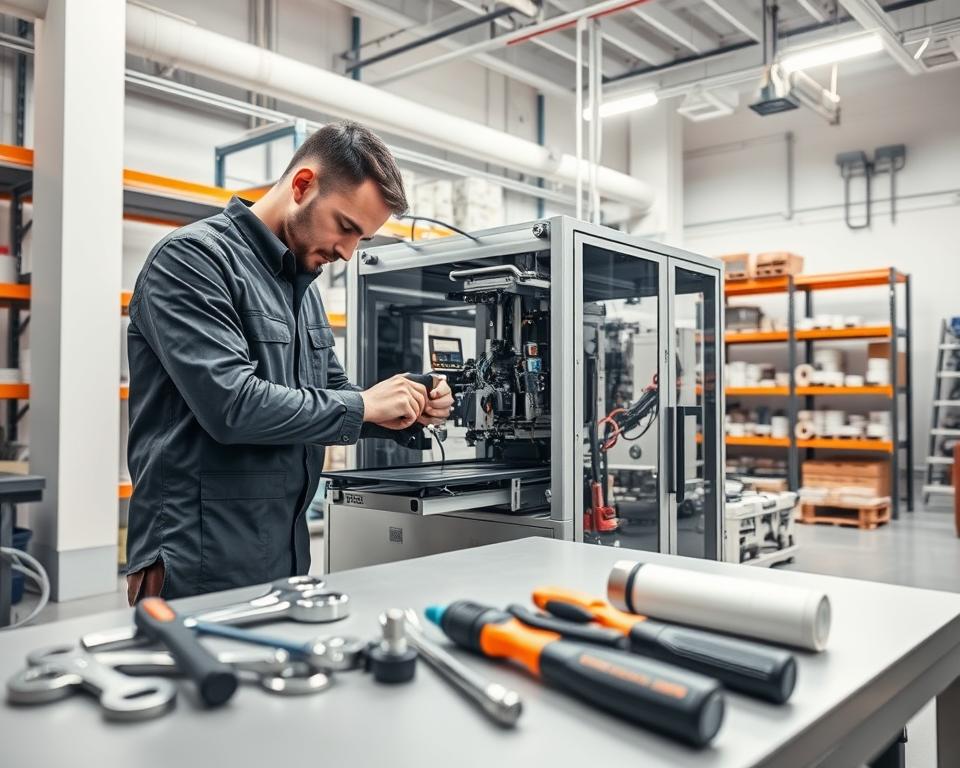
Keeping your labeling systems in good shape is key. Regular upkeep and quick fixes help avoid downtime. This keeps your machines running smoothly for longer.
Routine Maintenance Practices
Several steps can keep your labeling system in top shape. First, regular cleaning is a must. It stops dust and debris from harming your machines. Make sure to clean the print head, rollers, and other important parts.
Next, update the software often. New updates can boost performance, fix problems, and work better with other systems.
- Check for software updates monthly.
- Perform a thorough cleaning of the labeling system every quarter.
- Inspect and replace worn-out parts as needed.
Common Issues and Solutions
Even with regular care, problems can pop up. Here are some common issues and how to fix them:
| Issue | Possible Cause | Solution |
|---|---|---|
| Labels not applying correctly | Misaligned label applicator | Adjust the applicator to ensure proper alignment. |
| Poor print quality | Dirty print head or incorrect print settings | Clean the print head and verify print settings. |
| Machine not turning on | Power supply issue or faulty wiring | Check the power supply and wiring for any damage. |
By sticking to these maintenance and troubleshooting tips, you can cut down on problems. This ensures your labeling system keeps working well.
Future Trends in Labeling Systems
The labeling industry is on the verge of a big change. This is thanks to new technology and what consumers want. It’s key for businesses to know what’s coming in product labeling.
Advancements in Automated Labeling
Automated labeling is getting smarter. Systems like those from Zebra Technologies are faster and better. This helps businesses work more efficiently, save money, and make labeling better.
Eco-Friendly Labeling Solutions
Sustainability is a big deal for labeling’s future. Companies are choosing green materials and energy-saving systems. This cuts down on harm to the environment.
Going green with labeling not only helps the planet. It also makes your brand look good to people who care about the environment.
By taking on these trends, businesses can stay ahead. They can keep up with the changing market.